For many homeowners, pest problems seem to appear suddenly. One day the house feels clean and comfortable, and the next day ants are showing up in the kitchen, rodents are making noise in the attic, or insects are appearing around windows and doors. In reality, pest infestations rarely start overnight. Most begin quietly weeks or even months before homeowners notice visible signs.
Seasonal changes are one of the biggest triggers for pest activity. As temperatures shift and weather patterns change, insects and rodents often begin searching for food, water, and shelter. Homes provide all three, which makes residential properties particularly attractive to pests looking for a place to settle.
Understanding how seasonal pest activity works can help homeowners take preventative steps that reduce the chances of an infestation.
Why Seasonal Changes Increase Pest Activity
As outdoor conditions change throughout the year, many pests begin moving closer to homes. Some insects become more active during warm months when food sources are plentiful, while others search for sheltered indoor environments as temperatures begin to drop.
For example, ants often become more visible during warmer seasons when colonies expand and foraging activity increases. Termites may swarm during specific times of the year when reproductive termites leave existing colonies to establish new ones. Rodents frequently begin searching for warm nesting areas when outdoor temperatures start to fall.
These seasonal shifts can cause pests to enter homes through very small openings. Gaps around doors, cracks in foundations, and openings near plumbing or utility lines are common entry points.
Once pests find a stable indoor environment with access to food and water, they may remain hidden for long periods before homeowners notice them.
Early Signs of Pest Activity in the Home
One reason infestations can become serious is that the early warning signs are easy to overlook. Many homeowners first notice pests only after populations have grown large enough to become visible.
Some early indicators that pests may be present include:
- small piles of debris or insect droppings
- scratching or movement sounds inside walls or ceilings
- damaged wood or hollow-sounding areas in structural components
- grease marks or small entry holes near walls or baseboards
- unusual insect activity around windows, kitchens, or bathrooms
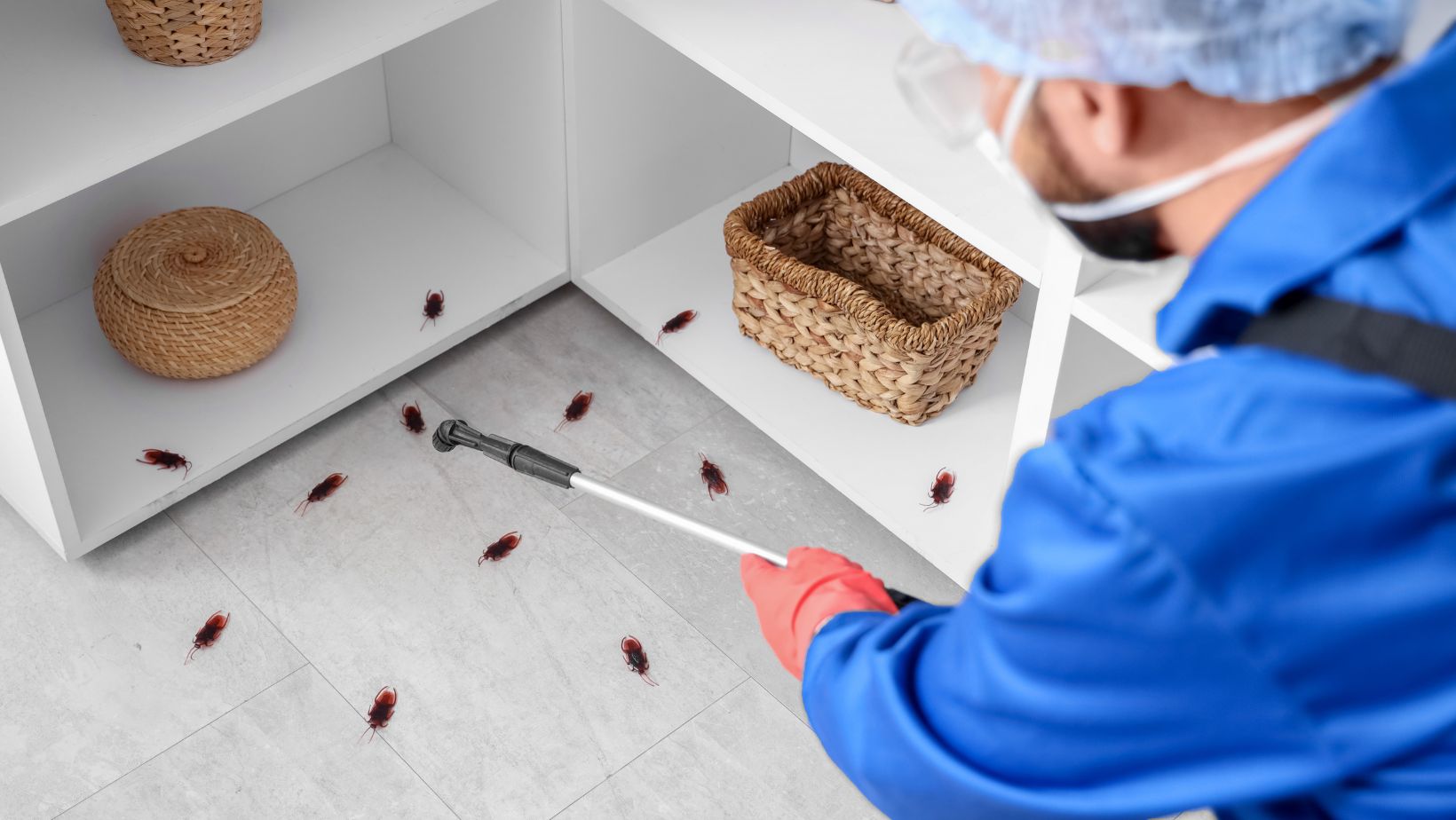
These signs do not always mean a major infestation is present, but they often indicate that pests have begun exploring or nesting in the home.
Recognizing these early warning signs can help homeowners address issues before they spread to other areas of the property.
Common Areas Where Pests Enter Homes
Many pest entry points are located in areas homeowners rarely inspect. While doors and windows are obvious locations to check, pests often gain access through less noticeable openings.
Some of the most common entry points include:
- attic vents and roofline gaps
- crawl spaces and foundation cracks
- openings around pipes or electrical conduits
- damaged weather stripping around doors
- garage doors that do not fully seal
Even openings smaller than a quarter inch can allow certain insects and rodents to enter a home.
Regularly inspecting these areas and sealing gaps can significantly reduce the risk of pest activity.
Preventative Steps Homeowners Can Take
Preventative pest control often begins with simple household maintenance. Small adjustments to cleaning routines, landscaping, and home maintenance can make a property far less attractive to pests.
Keeping kitchens and food storage areas clean is one of the most effective steps homeowners can take. Food crumbs, spills, and unsecured pantry items can attract ants, cockroaches, and other insects.
Moisture control is another important factor. Many pests are drawn to damp environments, so repairing leaky pipes, improving ventilation, and preventing standing water around foundations can reduce pest attraction.
Outdoor maintenance can also make a difference. Trimming vegetation away from the home and removing wood debris or leaf piles reduces hiding places where pests often gather before entering the house.
These preventative measures help create an environment that is less hospitable to pests.
When Professional Pest Inspections Help
While preventative steps can reduce risk, some infestations develop in areas that are difficult for homeowners to inspect on their own. Attics, crawl spaces, and wall cavities often allow pests to remain hidden while populations grow.
Professional pest inspections can help identify early signs of activity that might otherwise go unnoticed. Pest control professionals are trained to look for subtle indicators such as termite mud tubes, rodent nesting materials, or structural vulnerabilities that allow pests to enter.
Early detection is especially important for pests that cause structural damage. Termites, for example, feed on wood and can weaken structural components over time. Because this activity often occurs inside walls or beneath floors, homeowners may not notice the damage until it becomes extensive.
Homeowners who want to better understand how pests affect residential properties can explore resources from pest management providers such as Talos Pest Control, which offers information on identifying early warning signs and protecting homes from common infestations.
Preparing the Home Before Pest Season
Proactive pest prevention is most effective when homeowners take action before pest activity peaks. Seasonal inspections and preventative treatments can help reduce the chances that insects or rodents establish nests inside the home.
Simple steps such as sealing entry points, cleaning storage areas, and maintaining landscaping can significantly lower the likelihood of infestations.
For homeowners planning renovations, hosting events, or preparing their homes for seasonal gatherings, addressing pest risks ahead of time can also help ensure the home remains comfortable and welcoming.
Pest prevention does not require major renovations or complicated solutions. Often, consistent maintenance and early inspections are enough to stop small pest problems from becoming larger ones.
By staying aware of seasonal pest behavior and taking preventative measures early, homeowners can protect their property and avoid many of the common pest challenges that arise throughout the year.