Arizona’s desert climate results in extreme temperature fluctuations that place significant stress on heating and cooling systems year-round. With blistering summers often exceeding 110°F and chilly winter nights dropping to near freezing, HVAC units operate under demanding conditions that can quickly wear down components. Regular tune-ups are not just a convenience—they are essential for ensuring that systems remain efficient, reliable, and safe in such an environment. Routine inspections and maintenance help identify potential issues before they escalate into costly breakdowns, keeping energy bills manageable and indoor comfort consistent. For Arizona homeowners, seasonal tune-ups are the key to maximizing performance and extending the lifespan of their HVAC equipment.
Why Maintenance Matters in the Desert
Arizona’s harsh desert conditions can be unforgiving on HVAC systems as the combination of dust, heat, and heavy seasonal use makes regular maintenance a necessity, not an option. Dust storms, also known as haboobs, can clog filters, reduce airflow, and strain motors, while intense heat forces air conditioners to work longer hours than systems in milder climates. Without consistent maintenance, coils can accumulate debris, refrigerant levels can fluctuate, and electrical connections may loosen, all of which reduce efficiency. A well-maintained HVAC unit can better handle these environmental challenges and maintain a comfortable indoor climate even during extreme weather. Seasonal tune-ups allow technicians to clean, test, and adjust components to prevent premature wear, improving reliability year-round. The investment in preventive care ultimately saves homeowners from unexpected repair bills and ensures consistent air quality, even in the most demanding conditions.
How Seasonal Tune-Ups Improve Performance
Performance is critical when temperatures reach triple digits. How seasonal tune-ups directly enhance efficiency and cooling capacity. During a professional service visit, technicians measure airflow, inspect refrigerant pressure, and calibrate thermostats to ensure the system runs smoothly. Dirty filters, worn belts, and clogged condenser coils can significantly hinder airflow, forcing the unit to work harder and consume more electricity. Cleaning and replacing these components helps restore balance and optimize energy use. Regular servicing also helps identify early warning signs of mechanical issues, such as compressor strain or fan malfunctions. For instance, an HVAC company for Las Vegas homes often performs similar tune-ups for properties facing equally harsh desert heat, emphasizing the universal value of maintenance across desert regions. These regular checkups not only maintain peak performance but also improve air circulation and reduce humidity, keeping homes more comfortable while minimizing energy waste throughout Arizona’s extreme seasons.
How Tune-Ups Extend Equipment Lifespan
Every HVAC system has a limited operational lifespan, but proper care can extend it by years. Tune-ups prevent unnecessary wear and prolong the life of critical components. High outdoor temperatures, combined with internal mechanical stress, can accelerate the deterioration of compressors, fans, and capacitors. Regular maintenance ensures that moving parts are lubricated, electrical connections remain secure, and refrigerant levels stay balanced. Small adjustments made during tune-ups can prevent major mechanical failures later.
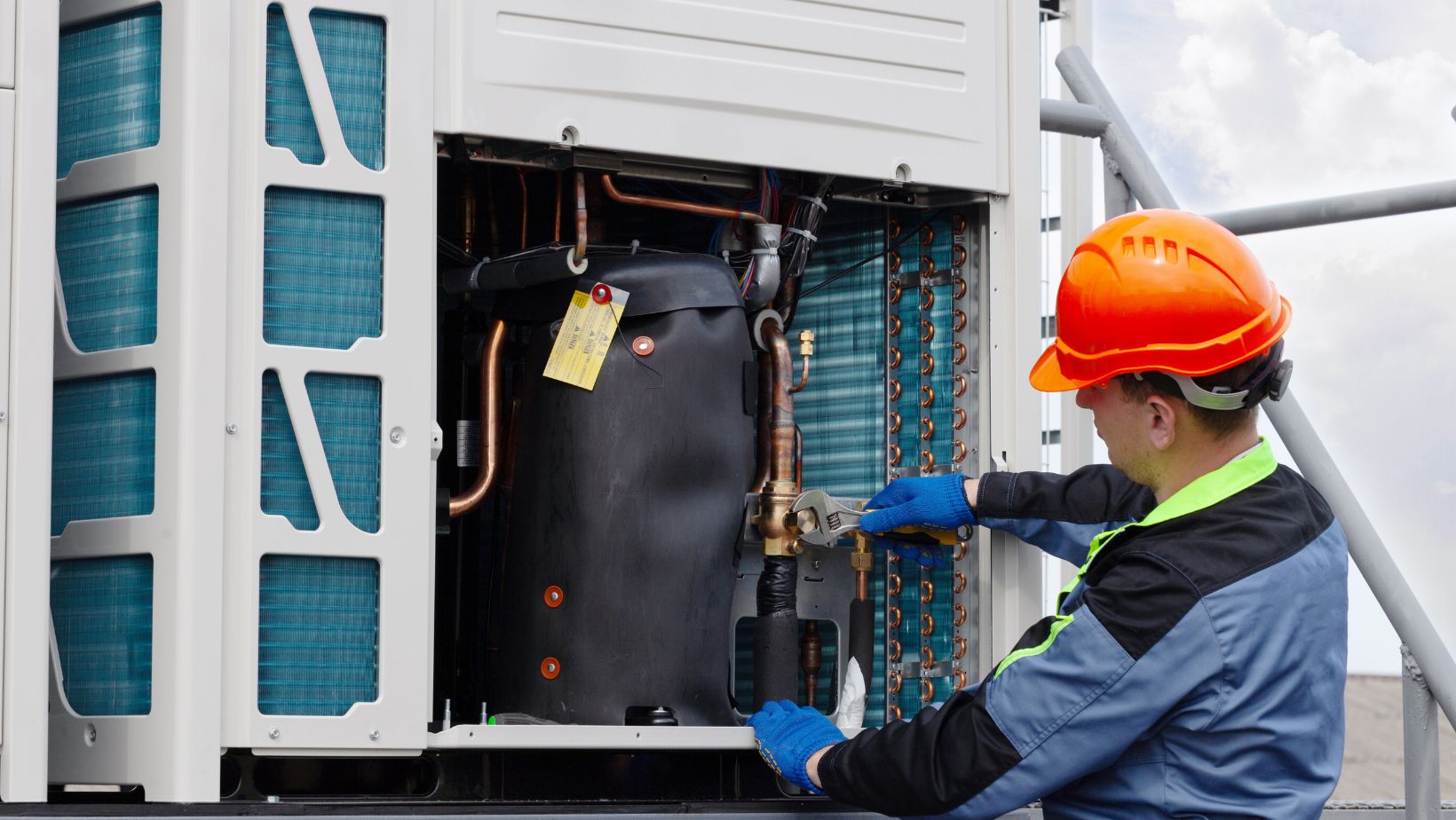
For example, catching a minor leak before it worsens can prevent the compressor and the system from a total breakdown. Consistent maintenance also minimizes corrosion caused by desert dust and debris. With tune-ups scheduled before each cooling and heating season, homeowners maintain optimal efficiency and avoid costly replacements. The long-term benefits are clear: fewer emergencies, lower maintenance costs, and extended system longevity, even under Arizona’s punishing desert conditions.
How Tune-Ups Improve Indoor Air Quality
The air inside a home can be more polluted than the air outside, especially when filters and ducts are neglected. How regular tune-ups help preserve indoor air quality by addressing dust, allergens, and contaminants. Desert air often carries fine particles of sand, pollen, and pollutants that accumulate inside HVAC systems. Dirty filters and ducts can circulate these contaminants throughout the home, aggravating allergies and respiratory problems. During maintenance visits, technicians clean evaporator coils, replace filters, and check ductwork for leaks or blockages. This not only improves airflow but also reduces the spread of airborne irritants. Clean systems also maintain balanced humidity levels, preventing mold growth and ensuring a more comfortable living environment. For Arizona families who depend on air conditioning for most of the year, clean indoor air is just as important as cool temperatures. Seasonal maintenance guarantees both, providing health benefits that extend far beyond comfort.
How Tune-Ups Save on Energy Costs
In Arizona, energy bills often spike during the summer due to continuous air conditioning use. Tune-ups help homeowners manage energy consumption more effectively. An efficient system uses less power to deliver the same level of cooling, reducing monthly operating costs. When coils are dirty or refrigerant levels are imbalanced, the system must work longer to reach the desired temperature. This additional strain not only wastes energy but also accelerates component wear. Technicians fine-tune thermostats, inspect insulation, and balance airflow to ensure that cooled air circulates evenly throughout the home. These adjustments eliminate hot spots and maintain consistent comfort levels. Over time, the savings from improved efficiency can offset the cost of seasonal maintenance several times over. With Arizona’s long summers and high electricity rates, preventive tune-ups are among the most practical ways to control household expenses while preserving comfort and reliability.
How Maintenance Prevents Emergency Breakdowns
Unexpected breakdowns are frustrating, especially during the hottest months when HVAC demand peaks. How preventive maintenance reduces the risk of system failure during critical periods. By identifying worn components or potential issues early, technicians can replace or repair parts before they fail under pressure. Many breakdowns result from neglected maintenance tasks, such as failing to replace air filters, ignoring refrigerant leaks, or operating units with damaged fans. Tune-ups conducted before summer and winter ensure the system is ready for heavy use. This proactive approach minimizes the risk of losing cooling or heating when it’s needed most. It also protects homeowners from inflated emergency service costs that often spike during peak demand. Regularly maintained units can operate continuously under stress, providing consistent comfort while meeting safety standards. Avoiding downtime through simple tune-ups provides peace of mind and uninterrupted comfort in Arizona’s extreme desert climate.
How Tune-Ups Support Sustainability Goals
Energy conservation is becoming increasingly important in Arizona, where electricity demand surges during hot months. Tune-ups contribute to environmental sustainability by reducing energy waste. Efficient HVAC systems consume less power, lowering greenhouse gas emissions from electricity generation. Technicians also ensure refrigerants are handled and contained properly, preventing leaks that can harm the environment. By maintaining proper airflow and temperature control, systems can cool homes effectively without overworking compressors.
Additionally, regular maintenance encourages longer equipment life, reducing the environmental impact of manufacturing and disposing of replacement units. For homeowners committed to sustainability, scheduling regular tune-ups aligns with responsible energy use and environmental care. Maintaining efficient systems not only supports the household budget but also plays a small yet vital role in reducing overall energy demand across the state. In a climate where cooling is essential, responsible operation ensures comfort and conservation coexist.
Seasonal HVAC tune-ups in Arizona’s desert climate are essential for maintaining performance, efficiency, and comfort. With extreme heat, airborne dust, and fluctuating temperatures, HVAC systems endure more strain than in most other regions. Regular maintenance keeps them clean, calibrated, and ready to perform at peak capacity. Tune-ups also extend equipment life, improve air quality, and lower energy costs, offering both financial and health benefits to homeowners. By investing in seasonal care, Arizona residents ensure their systems run smoothly year-round, providing reliable comfort even under the most challenging conditions. In such an unforgiving climate, maintenance isn’t optional—it’s a necessity for lasting comfort and peace of mind.